
NYLON WASTE MANAGEMENT IN NIGERIA: PROTECTING PUBLIC HEALTH AND THE ENVIRONMENT FROM PLASTIC POLLUTION.
By Bootyin Alice Peter.
Meta Description: Learn how nylon waste is affecting Public health and the environment in Nigeria. Discover the causes, health risks, environmental impacts, and practical solutions for sustainable waste management.
Nylon Waste Management in Nigeria: An Environmental Health Perspective.
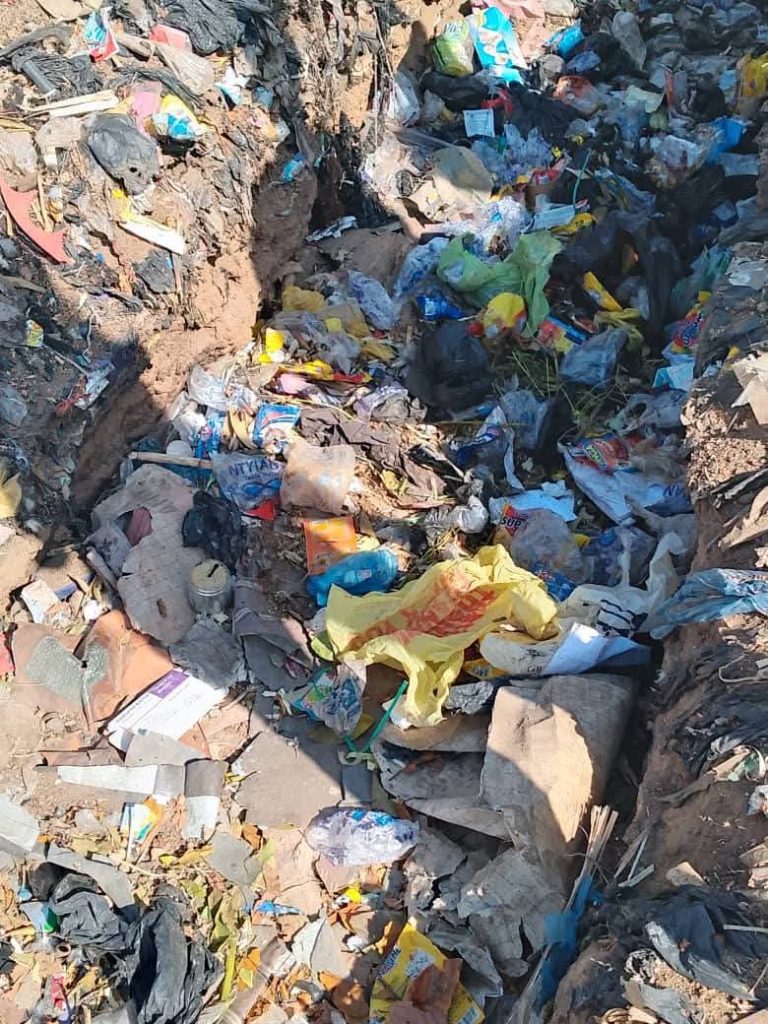
Nigeria’s growing population and rapid urbanization have led to a significant increase in the use of single-use nylon bags. Every day, millions of nylon bags are distributed in markets, supermarkets, restaurants, and roadside shops. Although these bags provide convenience for only a few minutes, they remain in the Environment for decades, creating one of Nigeria’s most pressing neglected Environmental Health challenges.
The increasing accumulation of nylon waste has become a major concern for Environmental health professionals because of its effects on human health, ecosystems, drainage systems, agriculture, and climate. Unless urgent and coordinated action is taken, plastic pollution will continue to threaten sustainable development and public well-being.
Why Nylon Waste Is Becoming a Major Environmental Problem in Nigeria
Single-use nylon bags are cheap, lightweight, convenient, and easily available. Unfortunately, most are discarded immediately after use. Due to inadequate waste collection systems, poor recycling infrastructure, and limited public awareness, these bags often end up on roadsides, in drainage channels, rivers, farmlands, and open dumpsites.
Unlike biodegradable materials, nylon does not naturally decompose. Instead, it persists in the environment for hundreds of years, gradually breaking into tiny plastic particles known as micro-plastic, which contaminate soil and water.
Public Health Risks of Improper Nylon Waste Disposal
Improper disposal of nylon waste poses several environmental health risks, including:
1. Air Pollution:
Open burning of nylon bags releases toxic gases and fine particulate matter into the atmosphere. Exposure to these pollutants may increase the risk of respiratory illnesses, asthma, chronic lung disease, cardiovascular problems, and eye irritation.
2. Flooding and Poor Sanitation:
Discarded nylon frequently blocks drainage systems. During heavy rainfall, blocked drains contribute to flooding that damages homes, businesses, schools, and public infrastructure. Floodwater also increases the spread of waterborne diseases.
3. Vector Breeding:
Blocked drains and stagnant water create ideal breeding sites for mosquitoes, rodents, cockroaches, and flies, increasing the transmission of malaria and other vector-borne diseases.
4. Soil and Agricultural Damage:
Plastic waste reduces soil quality and interferes with water infiltration and plant growth. This negatively affects agricultural productivity and threatens food security.
5. Marine and Wildlife Pollution:
Nylon waste carried into rivers and oceans threatens aquatic life. Fish, birds, and livestock especially goat and sheep who are allow to grass openly, may ingest or become trapped in plastic waste, resulting in injury or death.
Why Burning Nylon Is Not the Solution?
Many households burn nylon waste because they believe it is the easiest disposal method. However, burning plastic simply transfers pollution from land to air.
The toxic chemicals released during open burning contribute to poor air quality and may increase long-term health risks for nearby communities. Safer alternatives such as recycling, proper waste collection, and waste separation should always be encouraged.
Practical Solutions to Nigeria’s Nylon Waste Crisis:
Addressing nylon pollution requires collective responsibility from individuals, businesses, communities, and government.
Some practical actions include:
- Reduce dependence on single-use nylon bags, by encouraging the use of leaves, papers and biodegradable material.
- Minimize the number of nylon used when there are other options.
- Carry reusable shopping bags whenever possible.
- Separate plastic waste from organic waste.
- Support recycling initiatives and waste recovery programs.
- Participate in community sanitation and environmental clean-up campaigns.
- Encourage manufacturers to adopt environmentally friendly packaging.
- Strengthen environmental laws on plastic waste management.
- Invest in recycling infrastructure and public awareness campaigns.
The Role of Environmental Health Professionals:
Environmental Health Officers play a critical role in promoting proper waste management through public education, environmental monitoring, policy implementation, community engagement, and enforcement of sanitation regulations. Their work is essential in reducing pollution and protecting public health.
Conclusion.
Nigeria’s nylon waste crisis is more than an environmental issue, it is a public health emergency. Every discarded nylon bag has the potential to pollute the environment, block drainage systems, contribute to flooding, contaminate soil and water, and expose communities to avoidable health risks.
Creating a cleaner Nigeria requires action from everyone. By reducing our dependence on single-use plastics, embracing responsible waste disposal, supporting recycling initiatives, and strengthening environmental policies, we can protect our environment and safeguard the health of future generations.
Environmental sustainability begins with everyday choices. The nylon bag we refuse today could be one less source of pollution tomorrow.
Call to Action.
Together, we can build cleaner communities and a healthier Nigeria. Start today by choosing reusable bags, disposing of waste responsibly, and encouraging others to do the same. Every action counts in the fight against plastic pollution.