
Written By Amb. Bootyin Alice Peter
School of Environmental and Public Health Sciences,
Federal College of Veterinary and Medical Laboratory Technology, Vom.
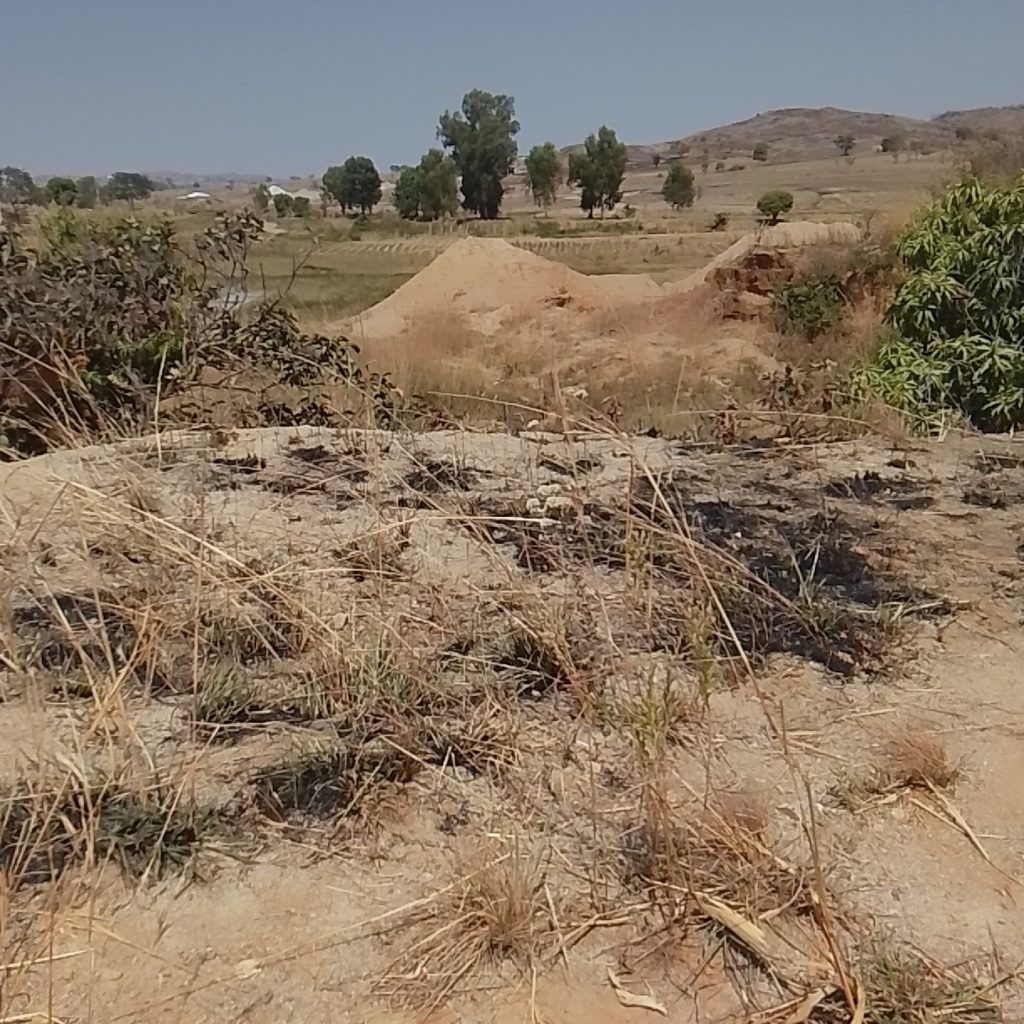
Across several communities in Plateau State, Nigeria, the earth is both a source of livelihood and a place of loss and grief. Beneath the soil that once produced tin and columbite for over a century lies a quieter legacy “abandoned pits, unstable tunnels, and invisible toxic dangers” waiting to strike.
In the early months of 2026 alone, reports of deaths linked to illegal and abandoned mining sites emerged once again. In February 2026, at least 37 miners reportedly lost their lives, while many others were hospitalized following an incident at a lead and zinc mining site in Kampani Zurak, Wase Local Government Area of Plateau State, Nigeria.
Young men seeking income under the cover of darkness have failed to return home. Their lives have been cut short by terrorist while no one was watching, in communities across Jos South, Jos North, Barkin Ladi, and Riyom Local Government Areas of Plateau State. Their deaths have left mothers childless, women widowed, and children orphaned. Others reportedly collapsed inside abandoned mining pits while others died after inhaling odorless, invisible gases trapped beneath the ground.
These are not distant headlines. They are empty chairs at dinner tables. They are children asking when their fathers will return. They are graduates whose certificates remain locked away in boxes, while beautiful dreams and talents are lost forever.
A Long History; A Lingering Hazard.
Mining activities in Plateau State dated back to the early 1900s. Historical records show that tin mining once positioned the state as a major contributor to Nigeria’s mineral exports. However, decades of extraction have left behind hundreds of abandoned and dangerous pits, many of which remain uncovered and unmapped.
These abandoned sites expose communities to environmental degradation, erosion, flooding, and the loss of the state’s natural beauty. Animals grazing nearby are also at risk, as many fall into these pits and eventually die.
Environmental experts have long warned that enclosed mining pits can accumulate toxic gases, including carbon monoxide and other hazardous emissions, especially in poorly ventilated spaces. Because these gases are odorless and invisible, victims often receive no warning before losing consciousness.
In many rural communities, abandoned mining sites are located only a few meters from homes, farms, and footpaths. This makes construction unsafe and increases the risk of land collapse because mining tunnels often extend far beyond the visible surface openings. What was once industrial infrastructure has now become a major public hazard.
The Public Health Reality We Cannot Ignore:
Illegal mining is often discussed as a security or economic issue. However, at its core, it is a public and environmental health emergency, particularly in Plateau State, where it has become widespread.
Mining activities affect public health in several ways:
• Maternal and Child Health: Heavy metal contamination can interfere with neurological development in children and increase the risk of miscarriage among pregnant women.
• Water Pollution: Polluted water contaminated with lead, mercury, and other toxic substances can cause gastrointestinal diseases and chronic illnesses.
• Air Pollution: Dust inhalation and toxic substances such as silica, lead, arsenic, and cadmium contribute to respiratory and cardiovascular diseases while contaminating the food chain.
• Disease Transmission: Stagnant water in abandoned mining pits provides breeding grounds for mosquitoes and rodents, increasing the spread of malaria and Lassa fever.
The connection is clear: when the environment is degraded, community health deteriorates. Prevention is far less costly than emergency response or burial.
Economic Desperation behind the Risk:
Most victims are unemployed or underemployed young people struggling to survive. Poverty should never become a death sentence.
The Environmental cost to Agriculture and future generations is higher than its immediate benefits.
Illegal mining leaves behind excavated farmlands, contaminated irrigation streams, severe soil erosion, and deep pits that threaten livestock and children. Reduced agricultural productivity worsens poverty, pushing more young people into the dangerous cycle of illegal mining.
What Should We Do?
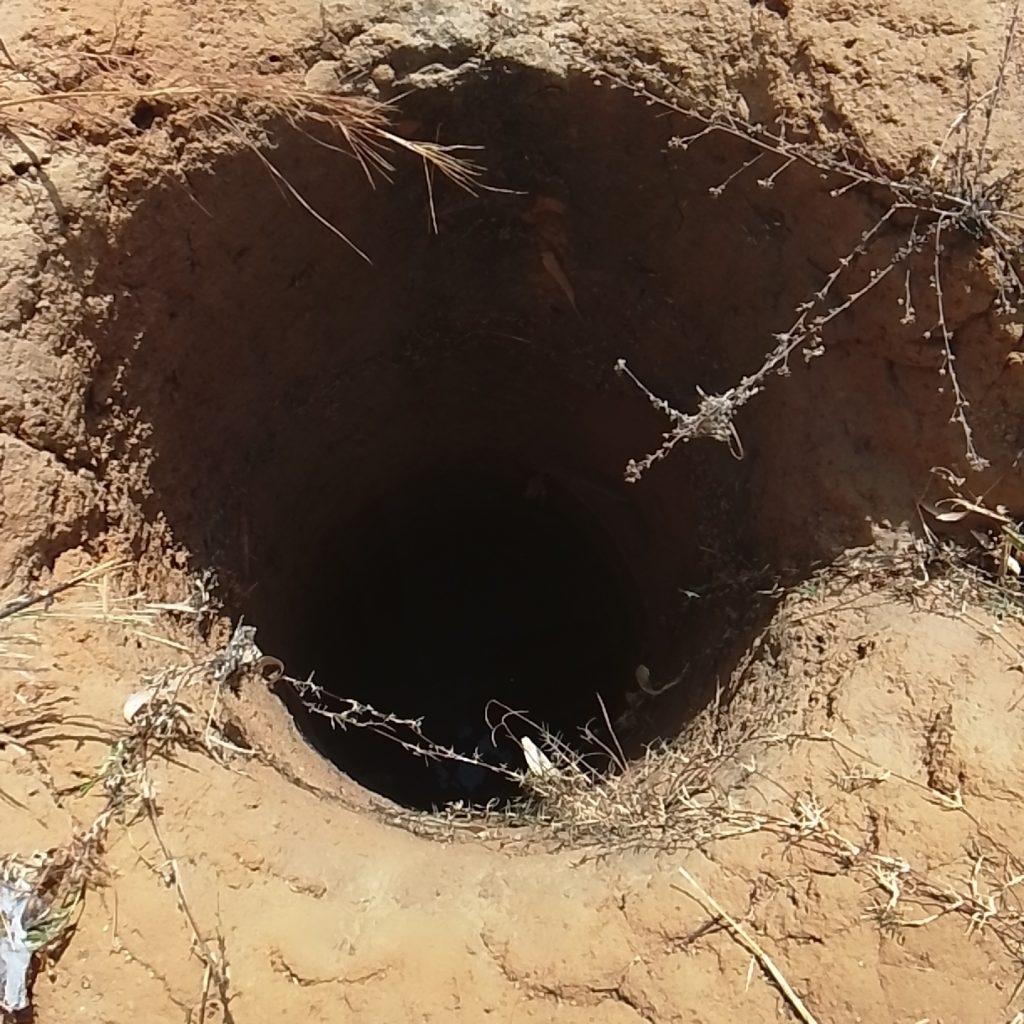
• Seal abandoned mining pits.
• Install visible hazard signs and strengthen community awareness.
• Create youth livelihood programs that provide safer economic alternatives.
• Strengthen environmental and public health surveillance.
• Enforce laws against illegal mining while promoting economic inclusion.
A Moral Responsibility:
Every abandoned mining pit left open is a danger waiting to claim another life. Every preventable death weakens the social and economic fabric of our communities.
The soil of Plateau State has given much to this nation (Nigeria). It should not continue to take the lives of those who depend on it. If we truly value life and prioritize public health, action must replace silence.
Because beneath the soil, danger may be invisible, but its consequences are painfully visible in grieving families. We must not wait for the next funeral before we act.